
The start of the season is approaching: prepare your onboard sanitation system
The new boating season is just around the corner. While many of us enjoy the sea year-round, this is the perfect time to get your boat ready after the winter break. At Dahlberg, as marine sanitation specialists, we want to help you avoid the most common problems: unpleasant odors, blockages, and breakdowns in your black and grey water systems.
Below is a practical guide to reviewing the key points of the healthcare system before the season begins.
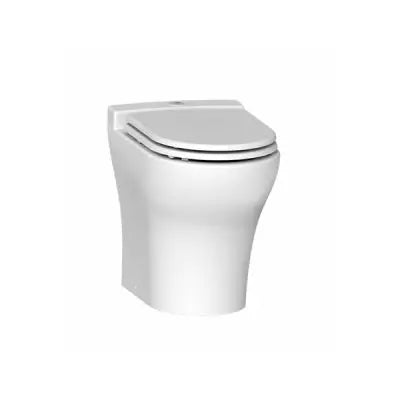
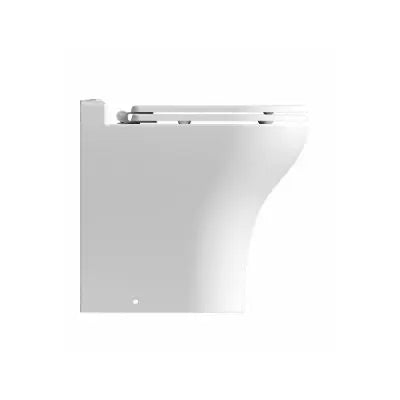
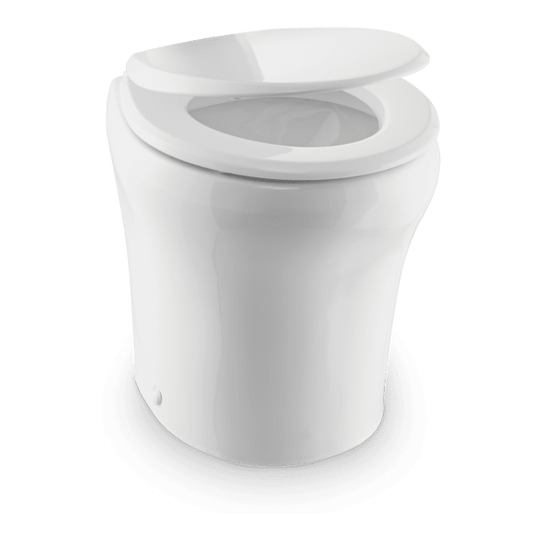
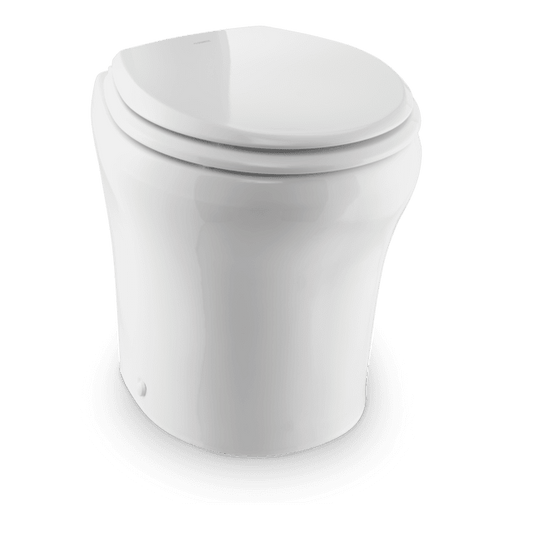
1. Marine Toilet Review: The Toilet Bowl
If you notice limescale or darkened stains, it's essential to apply a specific descaling agent that won't damage seals or internal components. Our technicians recommend
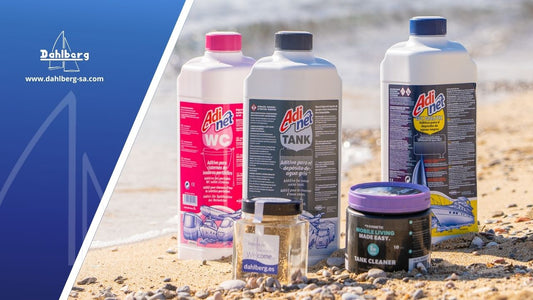
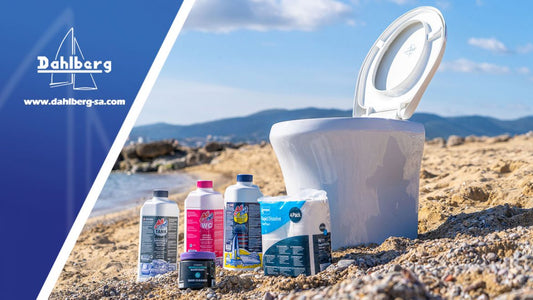
Adinet Limescale Descaler , ideal for removing limescale and mold without damaging rubber parts.
⚠️ Always avoid using hydrochloric acid: it is corrosive and can irreversibly damage the system.
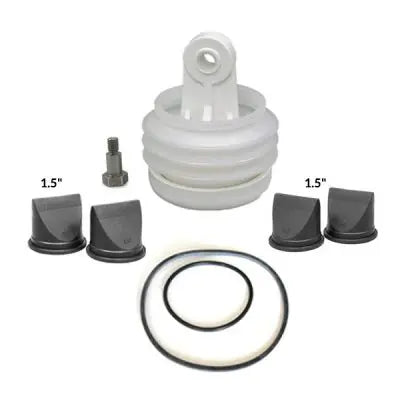
Vacuum toilets ( Vacuflush ): In this type of system, mineral deposits can accumulate under the sealing gasket. For cleaning:
- Disconnect the power supply and turn off the water tap.
- Open the toilet ball.
- Clean with a non-abrasive product (such as Adinet Limescale Remover).
- Finish with water and a soft brush.
2. Hose circuit
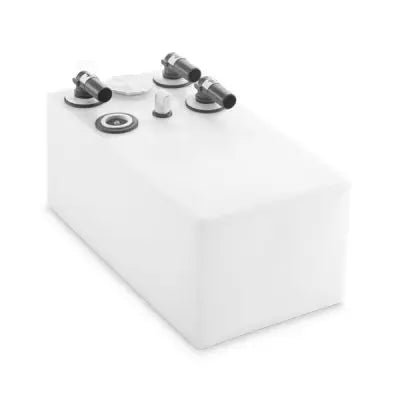
After winter, bacteria can proliferate and generate unpleasant odors in both pipes and the septic tank. For complete disinfection, we recommend Adinet Septic Tanks . For cleaning:
- Pour 100 ml undiluted into each cup.
- Make sure you have flushed the toilet several times beforehand.
- Leave on for a minimum of 30 minutes, ideally one week during winter periods.
- On very hot days, slightly increase the dose to prolong effectiveness.
♻️ This product cleans residue, disinfects, eliminates odors and does not contain formaldehyde, making it more environmentally friendly.
3. Greywater tank and drains
Sink, shower, and kitchen drains accumulate grease, soap scum, and particles that cause unpleasant odors. To keep the system clean, our technicians recommend Adinet Greywater Tanks . For cleaning:
- Pour 50 ml undiluted into each drain.
- In the kitchen, use 100 ml due to the higher presence of fats.
- Leave to act for 30 minutes, or leave inside the system for a week during periods of inactivity.
💡 This will prevent grease from sticking to the pipes and create a clean, odor-free system.
4. Cleaning the level sensors
A point that often goes unnoticed. To do this you will need to:
- Access the sensors.
- Clean off any remaining residue.
- Use descaling agent if necessary.
🧽 A dirty sensor can give incorrect readings and cause problems mid-season.
Final recommendation : Use appropriate toilet paper
To prevent blockages and improve system performance, we recommend Ultra 2-Ply Toilet Paper , specifically designed for marine toilets. It dissolves quickly and prevents buildup in pipes and pumps.
Tags:
Previous
Dahlberg: Marine Sanitation Experts Since 1989
Next
Dometic Wall Holding Tank: more efficiency in less space
Related Posts

Dahlberg: Marine Sanitation Experts Since 1989
Oct 21 2025
Get ready! Spring is just around the corner
Feb 15 2024
What does your boat smell like?
Jul 19 2023
SANITATION SPARE PARTS
Jul 01 2021
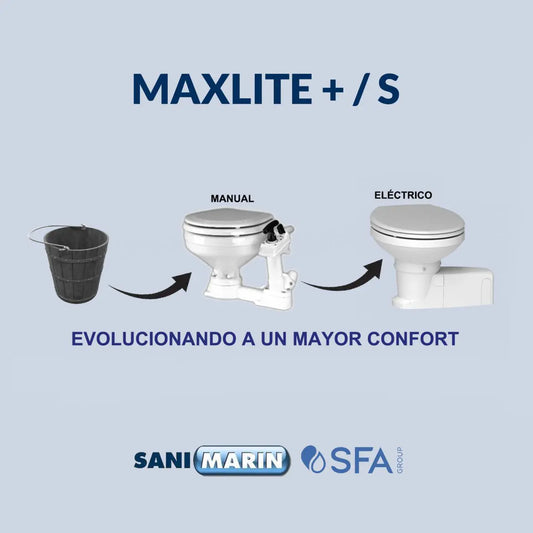
From manual to electric toilet
Oct 09 2020